Welcome to WordPress. This is your first post. Edit or delete it, then start writing!
Blog
-
Making Change
#TheLook
“The modern suit can trace its origins back to Beau Brummell. The English socialite was a prominent figure in Regency England and was responsible for starting many sartorial trends. Through this period, Western fashion was heavily influenced by the flamboyant styles of the French court.” (https://suitshop.com/blogs/news/a-history-of-mens-suits/)
Once an upon a time, and it wasn’t that long ago, women working in
daycare’s for menthe Office had to wear knee length skirts, no pant suits please. I started work atdaycare for menan Office at the tail end of those years, and duly showed up feeling sharp, nervous AF, and ‘professional’, in a newly procured skirt ensemble.Did it help me get ahead? absolutely not….
Dress for the job you want
But looking like a ‘professional’ certainly helped me feel like one, to fit in with everyone else, to take away Level 1 Judgement (superficial; looks, clothing, etc.) so that, hopefully what you do rather than how you look takes centre stage.
I remember seeing a girl on the weekend at the local shopping centre wearing a suit jacket, in maybe 1996 and thinking, ‘She doesn’t have to wear those during the week does she’. The delineation between corporate / office life and weekend life, was super clear. Maybe if you weren’t career focused you hoped to spend as little as possible on ‘work wear’ like you resented it, like buying school uniforms. I had read and agreed with the line in Anna Johnson’s “Three Black Skirts”, – you’re paid to look like you’ve got your shit together during the week, save the thrifting for weekend looks that are easily elevated in the shadows of cocktail bars etc. Also I felt like spending 40+ hours a week in these clothes made ‘investment dressing’ make sense.
Well we all know what happened at the turn of the century. Skivvy’s and jeans became the look du jour in the office. NO need to revisit it.
Regardless of this though, life and work started to bleed more into each other, your job is your identity and you give up your life for it. Slowly but surely, more weekend wear made it into the office, while ties gradually stayed slung over the back of the office chair, rolled up in the desk drawer only for important client meetings.
The Americanisation of the world marched on
It’s common in English speaking countries to wear athleisure or flat out gym clothes out and about while running errands, going for coffee, etc. All day. No need to even go to the gym. “I can wear what Iwant” whereas in Europe and France in particular, (it’s not just a Paris thing) you just don’t. Some say it’s snobbiness or something; it’s not, it’s “We’re living in a society, other people have to look at you”. Looking like you made an effort to be seen in public is showing respect for the other. Social cohesion as performance art if you will.
And Now, after years and years of going to a corporate office many are working from home, working from cafe’s, not working, languishing, working for themselves, raising families, pets and so on.
What does a wardrobe look like for a new life, when you’re no longer the Mary Poppins of the working world?
Finding new Lands
Moving on doesn’t have to be physical, it doesn’t always mean moving house, moving countries. Even if it does, those kinds of moves are often symbolic anyway, because no matter where you go, you take yourself with you. But at the start of the Lunar new year, which this year is the Snake, it is also symbolic that the snake is an animal that keeps its form but sheds its skin.
The Reset
Travelling for six weeks with 7 items of clothing in a carry on, plus a coat will do that for you. A black midi pleated knit skirt, 2 t-shirts (grey, black), A blue striped long sleeve t-shirt, A wine coloured cashmere knit, a beige sweatshirt and black pants. plus tights. Oh and a sequinned Chanel jacket which was an absolute waste of space and therefore doesn’t count.
After week two you really don’t care to visit another Zara or fashion website. You realise you want to be comfortable, but also taken seriously. Not necessarily as an authority in fashion however, but it’s too early in life to have given up and it’s too late in life to care that much about what you wear, or anything other than your own opinion for that matter. Because after a life devoted to the acquisition of personal style and all the assets that represent that, you realise that one day you will look back and be happy with what you did more than how you looked, and while being regarded as well dressed is certainly a goal worth achieving, (and I hope I have and will continue to achieve it) .. in the words of Bjork.. “there’s more to life than this”
-
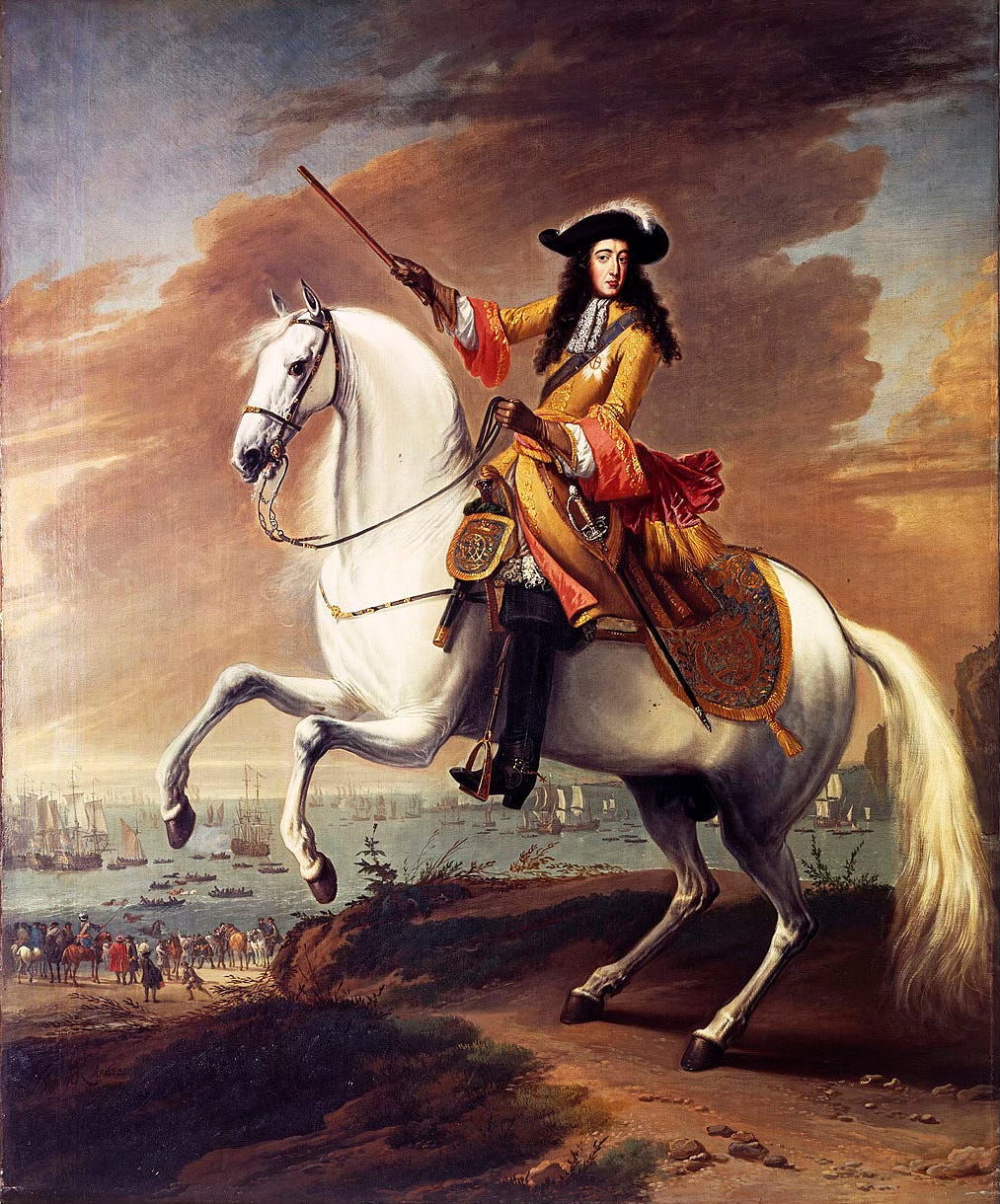
Prince William, the full stop or a capital letter?
Aristocracy. Monarchy. Equality. Which word is the odd man out? Or can they co exist under a new model of leadership?
Hundreds of years of evolution and progress, have gone by, improving living standards enormously, and while equality for all is something we apparently all want, it couldn’t be more evident today that we haven’t really managed to achieve it have we? All we have done is move structural inequality offshore and out of sight. We all participate in this.
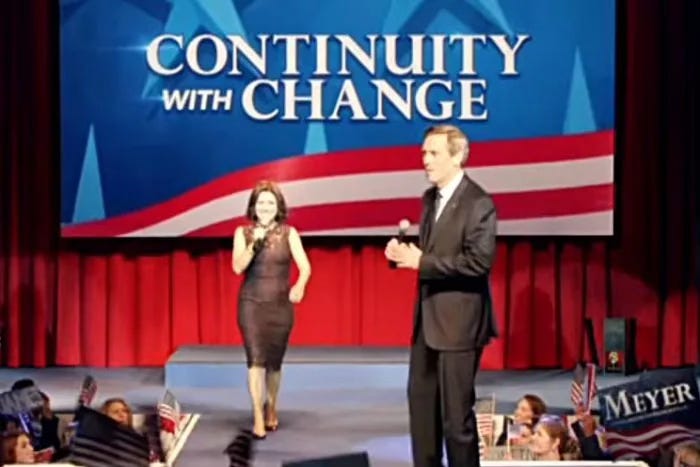
The current mess of British politics: The news and polls strongly suggest that the 13 year reign of the Tory party is definitely coming to an end at the next election. The Labour Party, currently led by Keir Starmer, and no doubt remembering the mistakes of the Corbyn leadership, have not presented a bold vision that will guarantee victory, but more likely they will win under a ‘not them’ result. Neither side seems able to address or make substantial change to the elephant in the room, the deeply ingrained structural hierarchy and class system that exists. The best either of them seem to be able to come up with is “Change, with Continuity” (credit: Selena Meyer). With the percentage of people living below the poverty line 10% higher than its English speaking peers (Canada, Australia, USA), the case for continuity is flimsy.
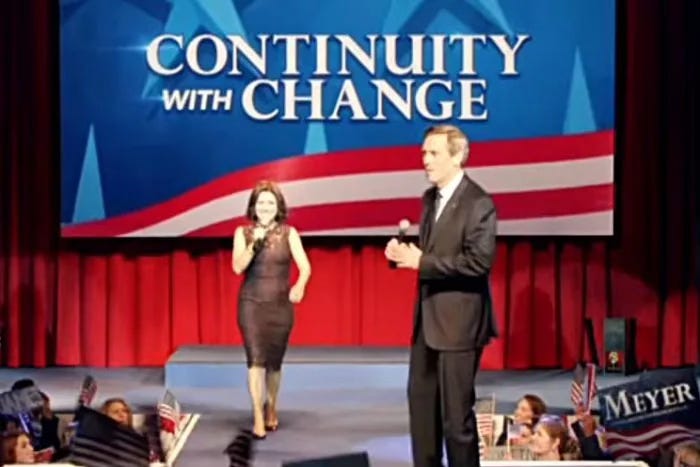
Since the the year 1215 steps have gradually been taken to minimise the power of the king and bring about democracy. A thousand years later, have we come full circle? Is it time to bring them back? A Monarchy re-imagined could be a model to consider.
While statistically the under 40s claim not see the monarchy as relevant today, given the state of politics in the UK, do they have an alternative? The proliferation of smaller alternative parties suggests that change is both desperately needed and wanted.
All hail William: Now Prince William in charge of the Duchy of Cornwall, reportedly worth 1.2 billion pounds, is technically financially independent. A leader who is independently wealthy and tasked only with working for the people, in the best interests of everyone, regardless of who you vote for. Is it time to dismiss the right and left, the eternal tug and war between money and people and just like in the times of the aristocracy, when opposing families got married to ensure peace, have one leader who cares about both?

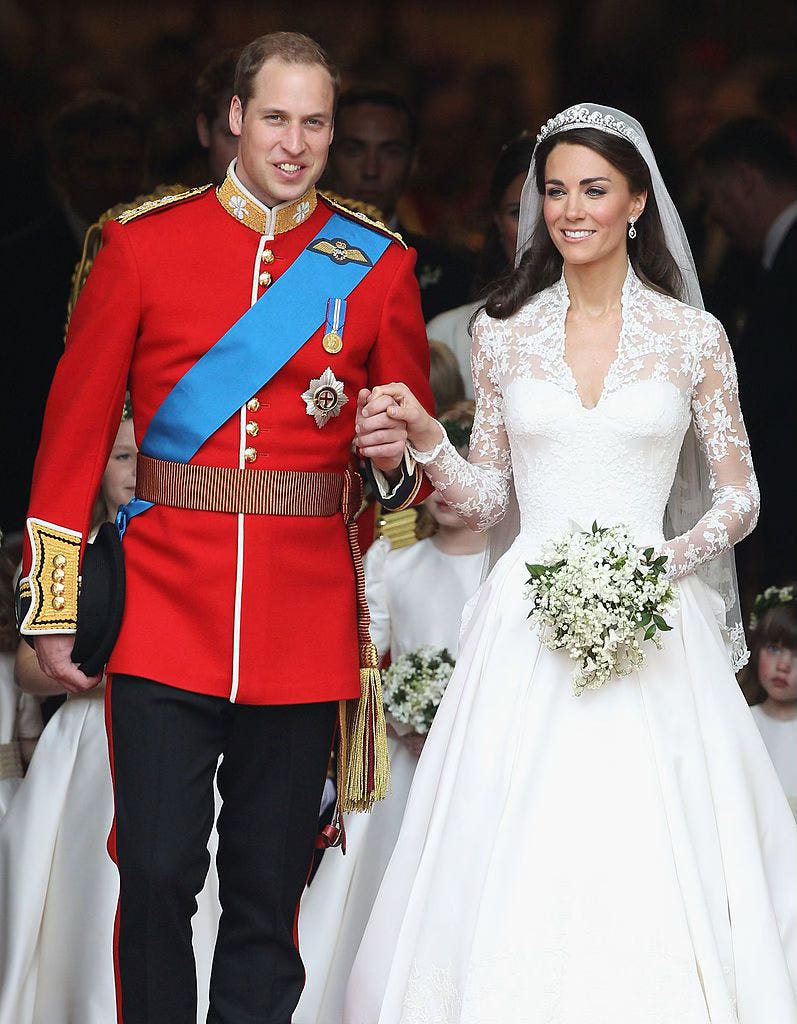
William, with the help of Catherine has put aside his desire to be ‘normal’ (or at least stopped whining about it) and gotten on with the job of being Royal.
A plan to focus efforts on real improvements: We are all familiar with the Royal photo ops where members of the family visit their patronages and perform for the camera bringing ‘visibility’ to each one and not much else. Rather, Catherine has chosen one key project as her cornerstone or legacy, the magnificent Early Years project, focusing on improving the first five years of a child’s life. This is a demonstration of long term thinking. Whether it influences policy remains to be seen.
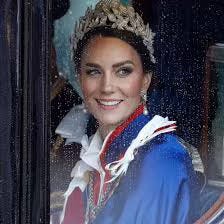
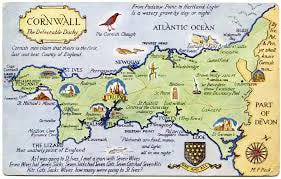
William has committed to building 24 homes on Crown land to relieve homelessness in Cornwall. Obviously this was met with howls of derision at the size of the project compared to the size of the problem. Apparently the idea was drawn from Finland where they quite wisely and pragmatically solved the homelessness problem by giving people homes to live in. Could this be a test project for the UK? A chance for William, with Catherine to turn the monarchy into part of the solution instead of being ideologically part of the problem?
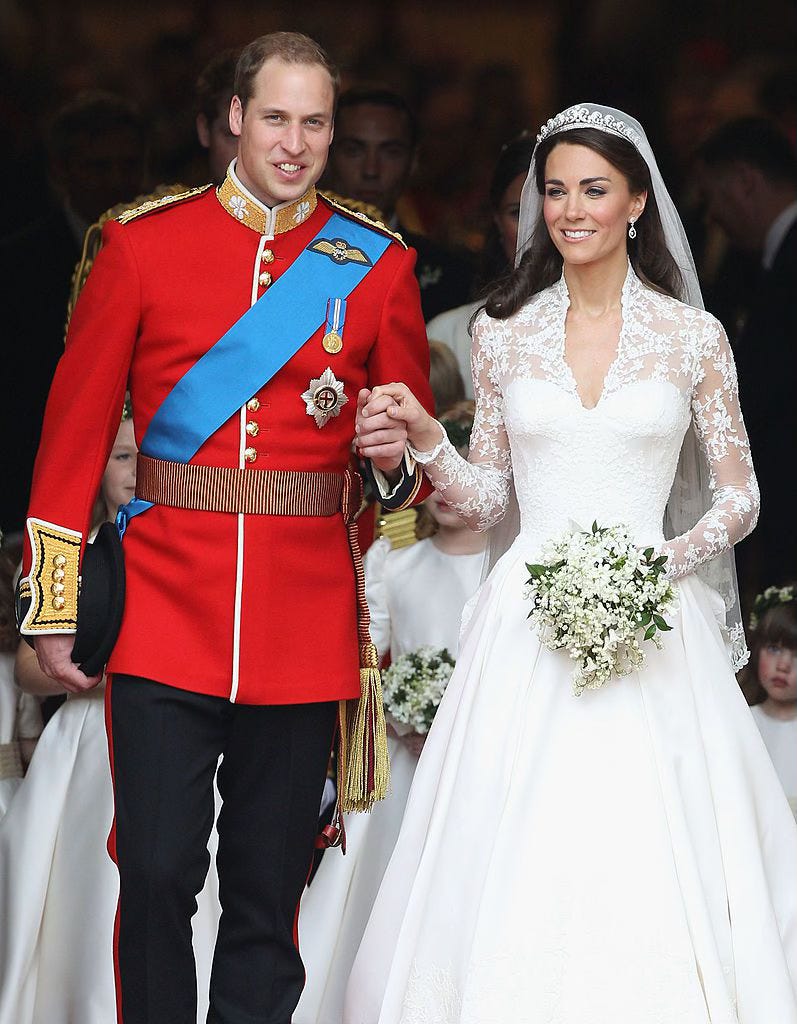
The Republic organisation in the UK had this to say about the project : “Rather than be thankful for a few homes built on Duchy land, which William will profit from, we all need to be demanding the return of the Duchy to full public ownership and an end to the monarchy.”
The question is – Can the UK government be trusted with it? that would keep the Duchy in safe and profitable hands, or will it go the way of the nations gold reserves and be sold off for a short term profit, putting that year’s budget in the black, and no doubt an election year at that.
The class system and other forms of judgement: in the UK and everywhere creates so much waste. Wasted talent, waste ideas that were never brought to fruition due to financial circumstances or not being in the right ‘network’. Resources wasted giving people the bare minimum in the short term, the proverbial fish rather than the fishing rod AND access to the river
-
My body just isn’t cut out for running….

One of the cheapest and easiest and most freeing way of getting and staying in shape for your whole life is running.
Now, if you take it too far, it can be a vice, and then you become someone who only talks about running, who experiences chafing too often, wears too much lycra too often, and are constantly going to the physio for an injury, caused by too much running, especially if you are physically imbalanced. Running using the hip flexors instead of the glutes for example my dear desk warriors.
But on a more positive note. As a thin but un-sporty teenager joining a gym, I was mesmerised by the people running for what seemed like forever on the treadmills, legs light and nimble moving effortless rhythm.
I got on, that looks easy I thought, and started walking and gradually increased the speed to something more than a jog and within two minutes it felt like these logs of lead attached to my trunk were the most uncoordinated tools of torture and my chest was heaving and lungs about to explode. First and last time I tried that for a long time. I’m just not made for running I said to myself. My body is not suited to this.
A lot of time went by, different forms of exercise came and went… step aerobics, half assed attempts at weights programs, stuff with bands, long periods of nothing, . … yoga and pilates became a thing.. a gym membership direct debit would often be hanging around, and my whale the treadmill would be there .. taunting me.
And then early mid life hit. A stressfully boring job and a realisation I would one day be old, made me realise I wanted to be the kind of old that was active and healthy, not hobbling around hunched over and at the mercy of possibly ambivalent carers. So on went the running shoes and the training began. I wanted to be one of those people who effortlessly powered their legs one after the other, to be strong and sprightly. As I got going, one night, at cocktail do at a friend of a friends house I saw she had a mannequin in the corner of her effortlessly cool town house, draped with multiple medals from marathons she had run (she was a about 10 years older than me at the time, not that you could tell on a side by side). I. was. mesmerised. I want that too I thought.
I did much research as to how to train for marathons, and also found that there were always half marathon options available. I wanted to still like running I thought, so the halves were the way forward and you still got a medal.
Here’s what I learned, ten years later, having now run six half marathons, and done enough running that even after three or fours years off the treadmill you can still hop on and shift into running mode as if your last run was last week (the next day however is another story):
- common sense and widespread wisdom says if you want to run and run faster you gradually increase your pace of training over sessions and weeks, incrementally until you become comfortable with the faster pace. This does work but I found it to be slow going and harder than;
- in the beginning, just power walk, then break into a jog at a comfortable pace for 1-2 minutes then walk again. only do this though for about 4-6 sessions then it’s time to step it up.
- running a bit faster than you’re comfortable with, for at least a minute, but two to three is better and then train down, gradually decreasing your pace over the course of minutes as you catch your breath.
- control your breath as much as possible. this doubles as a moving meditation session. always breath in through the nose as much as possible, but when you are recovering while still moving, use your mouth to breath out under your control, not like a Labrador on a hot day.
- intermittently run faster than you ever thought you could for 1 minute. Always remind yourself you can put up with any amount of discomfort for 1 minute. Never recover from sprints by walking, always jog, even if it’s a slow jog it must be a jug. This will train your heart to recover quickly.
- always have a playlist that matches the beat of the music to the rhythm of your feet
- when you are really doing it, you’re controlling the breath, the arms are pumping forward like a real runner, the legs are moving forward and the foot is landing underneath you, in time to your music and your hips are straight, not sashaying anywhere, you are getting fit while meditating.
- Lastly, think of your heart like a canary in your hand, you want to sooth it if it gets too wriggly, but not hold it so tight you make it worse and stress it out. Just gently keep an eye on how hard it’s beating and use your breath like soothing words to calm it down.
And that’s it, a bit of envy combined with a desire for a better future gave someone who had never committed long term to anything the drive and tenacity to learn how to run, which became a skill and a practice that lives in my lifeskill toolbox. Never ever believe you’re not cut out for it, if I can do it anyone can.
-

How will Good ever beat a bloody good Victim?
This week, I saw a woman leave an overall friendly Facebook group, because a handful of people were offended with a word in a question she posted and had picked it to pieces. So, she announced with much flourish and emotion that now she too was offended with the overall vibe of the group was was flouncing out of the room to share her thoughts elsewhere. wow.
These days you can read any social media post, or indeed news article and find someone who takes offence with it, disagrees with it and shares that feeling. So often, in life and on the internet when someone throws a line out like “she’s a narcissist” or “she’s a loose woman” we act like it’s a permanent sticker. Instead of saying the person who said it is the person with the bad personality or a spiteful mouth or quite often just a little person being a bully. At best we could say they are ‘having a bad day’ perhaps.
Blaming the victim – Being the victim, wearing the labels they throw at us, these are all ways that a the bad guys from psychopaths, narcissists to garden variety bullies get away with it, and we let them. We help them silence their victims, and turn the victims into the perpetrator.
It’s this same ideology that lets bad leaders not only win, but carry on winning, it’s that same ideology that contributes to widening inequality, more mildly referred to as the ‘cost of living crises’.
Let’s all do our best to be rubber, not glue, and ask more questions about who is doing what to whom.
-
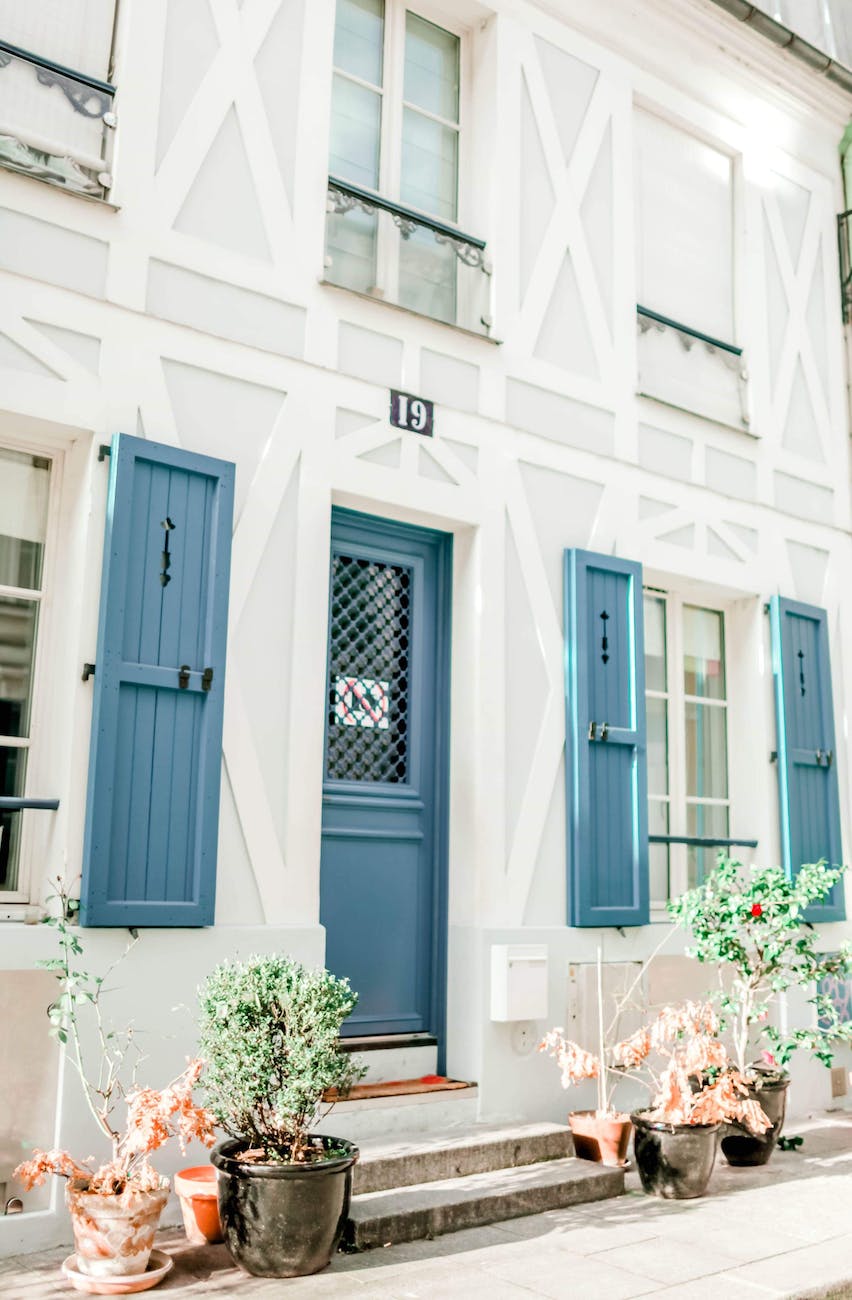
This is the house that Jill built
When you think about building a house or a home what kind of images of white pretty houses surrounded by picket fences might spring to mind? or perhaps your vision is a double story brick house. Or maybe the more ambitious think of Provencal mansions by sea … and then or perhaps the mind turns to interiors. The sofa, the wall colours, maybe you like herringbone floorboards or plush white carpets. Bathrooms with steam showers and walk in wardrobes.
Much like those renovation or house building shows on TV, the story ends, the success is had when the house is built, the décor has been installed, the pillows fluffed and fresh flowers and a cheese board rests on the kitchen bench. A vanilla candle burns somewhere. What happens after that ?
I had a home that I had put effort into décor wise, with what I could afford, and with things I had spent a lot of time searching for, that were beautiful but not necessarily expensive. I said what surrounds me matters, I don’t like things to be ugly, it doesn’t have to be flashy or slick or even new, but there should be a level of care in the way it’s put together, it should feel warm and cosy, things matching or artfully mismatched. Old good quality things that are rustic and authentic instead of new and cheap or just worn out. Orderly clutter conceals things that can’t be fixed, a preference over the look of sparseness. Minimalism is different to ‘not enough; it’s all in the type of layout. I had a home that I built with hope, with dreams and borrowed money, with generosity towards myself and my new baby, so the love would surround her in every way.
What is often forgotten is the house you build with the company you keep, the habits you give energy to, the words you use and of course your thoughts. I wonder sometimes of the power of thoughts because I have met some wonderfully negative and jealous people who have built lives for themselves that outwardly seem fantastic. Perhaps though, the house they really live in doesn’t extend to the material world, the house you really live in is in your mind. You hang the wallpaper, design the pattern on the curtains, choose to see only the good, somehow repel the troublemakers, the negativity bearers, the liars, the firemen and women who waterboard you with their jealousy and feast on the schadenfreude when you trip and fall.
The world we live in is much like a house, the biggest share house ever. We try to ignore or remove the housemates who steal our food from the fridge, set fire to the kitchen and raid our bedrooms for our treasures. We are sometimes initially enthralled by those larger-than-life characters who seemed to promise entertainment and lightness when we first met them, but soon you realise it’s mostly a façade and they are unreliable and honestly, just between us, more trouble than they are worth. Then there are the ones promising to help, to make the world better, they say they have best of intentions, without really specifying what it is they intend to happen. And of course, that’s because they have no intention of actually helping you or the world, their actual intention is that you can’t see them stabbing you in the back while they help themselves to your life.
So, when I think about building a house these days, me and the world we live in should both think beyond the bricks and mortar, soft furnishings and Italian made lamps. To not accept a house viewed through a filter, a house that looks real, but is really just a curtain painted with the picture of house covering a broken reality. To give long and hard consideration to the words we use, the words we want to hear, the actions we want to receive, the energy we give out and how we share the resources we have amongst us, whilst also taking a long hard look to how we work alongside each other so that everyone has not just a seat at the table, but a full plate of food too.
-
Letter to the Editor #3
https://www.afr.com/politics/albanese-must-say-no-to-bailing-out-andrews-20230403-p5cxqi
https://www.afr.com/policy/economy/chalmers-jets-off-with-no-real-growth-strategy-20230412-p5czv2
April 14, 2023
There was some concerning use of words and punctuation in the editorials “Albanese must say no to bailing out Andrews” (April 12) and “Chalmers jets off with no real growth strategy” (April 13).
Daniel Andrews has invested a significant amount in infrastructure for Melbourne and Victoria; the use of the word “profligate”, which means recklessly extravagant or wasteful, seems shortsighted. Was the Sydney Opera House profligate at the time?
This is infrastructure that will benefit future generations. As for the comment about Victoria’s credit rating, why are the rating agencies still in business after they failed so miserably in the lead-up to the GFC?
The use of punctuation on the words “care economy” was disrespectful to the work, “care” and sacrifices parents put in (not to mention all the other types of carers). This attitude is then reflected in flagging NDIS for “out of control” spending. As for who will pay for it – didn’t the Productivity Commission model this as paying for itself? If they were wrong about this, what else are they wrong about?
Is it ever possible to remove ideology from data? At the very least outdated ideology? The ideology that we are all ‘individuals’, the ideology or is it propaganda that shouts down the suggestion that we are not with the very simplistic opposite – ‘socialism’, the ideology that women must be forced, cornered even, into care duties by the deprivation of their own resources. And to then dismiss that work as ‘worthless’, to have it looked down upon, is just so disrespectful, I’d like to say it’s ‘un-Australian’ but unfortunately it seems it is very much not.
-
Letter to the Editor #1
February 10, 2023
“Boards sound alarm on Labor spending, intervention” (February 10) really has to be the final straw in responses to Jim Chalmers’ essay.
The reporting and commentary in The Australian Financial Review has been, quite frankly, embarrassing – for this newspaper, for the business “leaders”, and for Australia, as it confirms the suspicion that we are five to 10 years behind the rest of the world.
The free-market, neoliberal, Milton Friedman-led ideology has been over for ages. Even Friedman’s school acknowledges it’s over. If nothing else, the shellacking received by the Liberals at the last election should have told you it’s over.
The relentless bleating for “lower taxes” is the only idea business leaders have, the apparent solution to everything. No wonder we’re in trouble.
-
Letter to the Editor #2
March 6, 2023
As a professional woman, the above article appeared to strike all the right notes, until it didn’t and then became rather concerning..
You state:
“The steady surge in female participation has also been a source of economic growth and greater prosperity for all Australians. That is worth underlining … to guard against zero-sum gender thinking.”
And then proceed to champion zero-sum gender thinking:
There are also fresh questions about helping women to balance work and family responsibilities. Labor’s policy of extending generous childcare subsidies to wealthy families will supposedly remove financial barriers to higher participation by women with children. Yet, this has been questioned by Productivity Commission research in 2015 that found the boost to participation rates would be “small” due to the different work and family choices women make.
Where are the policies designed to help men balance work and family responsibilities? Is sperm no longer required to make a child? I seem to have missed those headlines..
The current childcare policy was perniciously designed to discourage women from advancing in the workplace, whilst simultaneously lining the pockets of a small group of men who own thousands of childcare ‘businesses’, and makes every women who goes to work the star of her very own performance of Alice in Wonderland –
“My dear, here we must run as fast as we can, just to stay in place. And if you wish to go anywhere you must run twice as fast as that.”
And then, neatly summed up in one sentence, the reason why Australia fails it’s women so miserably ..
Nobody can question the benefits of Australian women’s expanded role in the market economy. – and yet you then go on to question exactly that with:
But there is a legitimate debate to be had about the extent to which taxpayers should underwrite a woman’s rightful place in the workforce. That just goes to show how big the social revolution has been.
Whereas, I think the real question to be asked, that I think all women would like answered, is
“to what extent should women continue to be subsidising the creation of taxpayers, to the detriment of their own wellbeing, both professionally and financially.”
And what will you do if we stop?
-
How to be French, beyond croissants and berets…
Vive La France! Another article about croissants and the strolls by the Seine? No. The country that hosts Paris, wine, cheese, luxury bags, a famous Riviera and countless other blessings that are both natural and man-made. When you come to France to live, as a native English speaker, you can be just that and live here, observing always the way ‘they’ do things while you star in your own living in France dream, and admire and sometimes cuss the differences. Or you can also dive in deeper beyond the cliché’s about carrying a baguette while wearing a stripy top and red lipstick and understand how the big things behind France’s culture that give rise to the little things that make it just so.
There is a certain type of Anglo-Saxon culture, where anything that costs more than nothing is ‘expensive’ you must spend as little as possible as there is apparently a limited supply of everything. The French pioneered the metiers that create beautiful things with using deep, irreplaceable expertise in artisan production methods in art, fashion, food. The cliché of the French woman’s wardrobe having three items hanging it is not such an exaggeration. They buy well-made clothes at a reasonable price mostly and wear it regularly. France does not have it’s own answer to a Zara or a Next or Forever21. That’s not to say that there are not small shops selling cheap clothes and items for the home. Local market often fills this gap as well, with thousands of iterations of Isabel Marant being sold for less than 20 euros.
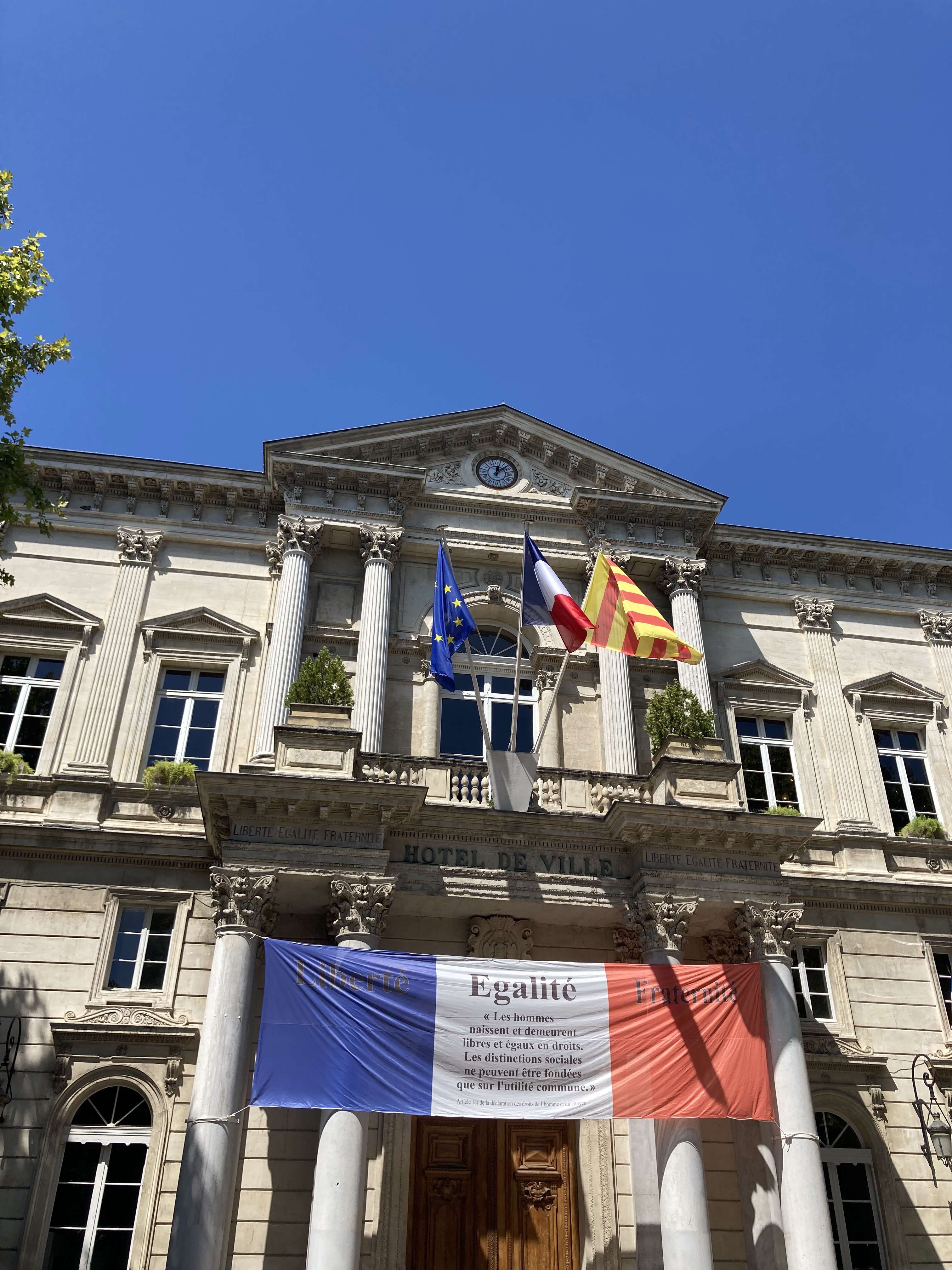
‘British manners rule the world’ said Mohammed al Fayad in the last season of The Crown. Manners were designed to be a social lubricant, social cohesion, a way for all of us to live alongside and have relationships and do business leaving the other person feeling good for it. The philosopher David Hume and the author Henry Hitchings defined them as “a kind of lesser morality, calculated for the ease of company and conversation” and spoke of the “companionable virtues of good manners and wit, decency and genteelness”. In other words, these are virtues that sit well together and enable us to sit well together. They are not a form of self-abnegation, but instead lubricants of sociability”. But they also used to disguise deceitful behaviour, to manipulate and to gaslight those who may speak up. Manners are frequently used to silence victims and whistle-blowers. In fact, in polite society there never is a victim is there, it was all her own fault.
Anglo Saxons crow endlessly about rules holding back business, and themselves. Liz Truss in the UK “underlined the importance of growth to the UK economy by linking it to the need to cut taxes…slash regulation, boost investment, and improve public services”. The much-derided rules and regulations in France exist for a reason. They are one of the reasons French productivity is high despite working less hours. The rules stop time being wasted on misleading offers. Chasing up being ripped off, providing restitution to customers after trying to rip them off, all eats into productivity. If you can’t work within the rules, which exist to benefit everyone, are you even running a business? Or are you essentially a giant egocentric three-year-old steamroller-ing over everyone around you?
In France, the culture of revolution exists to protect the ordinary person from the interest of the 1% from creeping into everything like Ivy. French people protect their rights to time – which is at its core the true essence of life and is more precious than money. They see going to the gym to undo 50 hours of sitting as a false economy, they have time to walk to work or play in the park with their kids. The work from home ‘revolution’ was already in place, and with many kids at home all or half days’ on Wednesdays the family has time to do activities, cook and relax together.
The Anglo Saxons seek to minimise and avoid taxes wherever possible. Is it a deep-seated lack of respect for the government that drives it (they who seek to enforce those dreaded ‘rules’ should just stay out of my business!), a culture that puts the individual at the centre of the universe, which, sitting at the French table, reflects a lack of respect for your fellow man. The French pay social charges, in addition to taxes, and to avoid paying them is socially unacceptable. Everyone contributes for the benefit of everyone because they are a community and a society.
As observed in Tarantino’s Pulp Fiction…. when you go overseas, it’s the little things. Like over here, when you go into a shop, people greet you and you are expected to greet them. There’s no expectation of engaging into a deeper conversation or indeed frivolous disingenuous conversation that will lead to a purchase, it’s not a sales tactic, just pure civility. A connected society, one person acknowledging or welcoming the other into their store or presence
The bus maybe crowded but people are considerate of those around them. No one needs to be told to let people of the train first, they just do it, it’s common sense. Women are people. Not sex objects, not free home help, not child bearers. They are all those things and still people.
Want to get a house in France? You need The ‘Dossier’. If you thought it was only something spy agencies collected on their targets, you’re mistaken. It lives and breathes in France as a pile of papers to verify who you are, what you have, where you come from and tell us what you’re likely to be like, what you represent, what kind of space you take up in the world, in this very much a society. The dossier probably has a history going back a hundred years or more right, when everything was on paper, and letters of recommendation were common place to even open a bank account. In fact, the modern dossier requires a guarantor, effectively a letter of recommendation in the form of someone putting actual money where their pen was and guaranteeing they will pay your rent if they don’t. Who has these kinds of friends or family?
Modern technology comes to France with their startups and great ideas, and the Guarantee is now ‘disrupted’ so that anyone with an appropriate amount of money can remove that hurdle. So, you have some money but no person to guarantee, who are you? You’re an individual. Unencumbered, untethered and unaccountable to anyone but yourself. You can do anything you want. Except rent a property unless a startup is willing to back you.
So that’s what it is, a part of being French. Learning verbs and being connected and accountable.
And the other thing about France and being French is that it’s not a noun, it’s a verb. Very much a verb. It’s more than the passport and the language, the food and fashion. It’s taking the time to get dressed before going out of your bedroom even. We wear loungewear at home, not pyjamas, and proper pants or an outfit even to the supermarket, because we live in a society and other people have to look at you. We never snack between meals; we have breakfast and then never ever get hungry before 12.00 which is lucky because no restaurant kitchens are open before then. Likewise, that meal better be good because there’s nothing till dinner at no earlier than 7.30pm.
Everything is old to look out. You can jump, with English speaking world arrogance, to the conclusion that its somehow not as good as at home. But it is, it’s actually better. Cities AND people in France are allowed to age and still be valuable.